
Colosseum
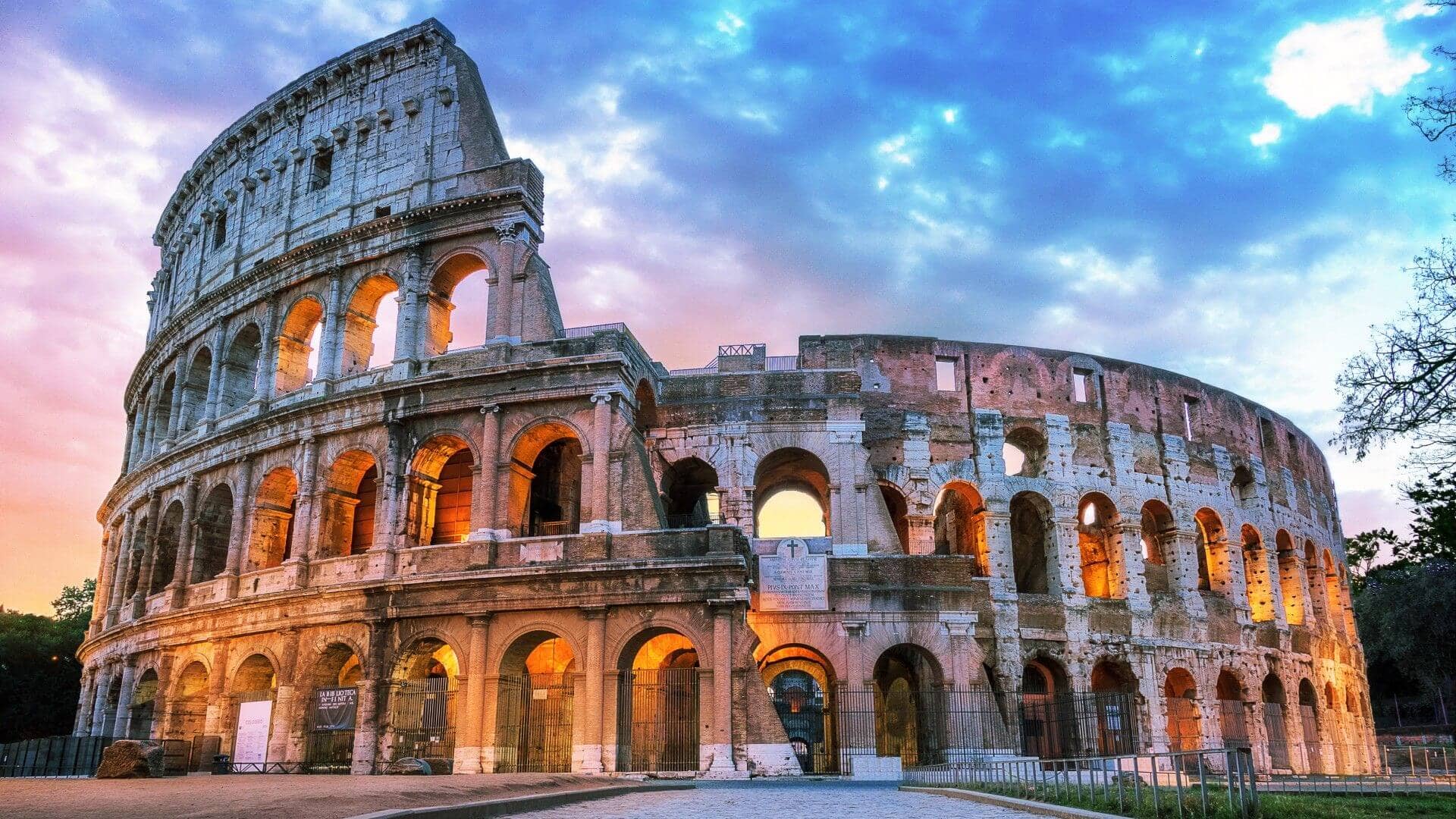
The largest amphitheatre ever built, the Colosseum has stood at the heart of Rome for nearly two thousand years and remains the city's most recognizable landmark. Completed around 80 AD under the Flavian emperors, it once held tens of thousands of spectators who gathered for gladiatorial combat, staged hunts, and public spectacles. Walking its tiered arches today, you can still trace the engineering genius behind it: the network of underground passages where animals and fighters waited, the cleverly numbered entrances that let huge crowds file in and out, and the sun-bleached travertine that has weathered earthquakes, looting, and centuries of time. Visiting in the early morning or near closing lets you experience its scale without the heaviest crowds, and a combined ticket usually grants access to the nearby Forum and Palatine Hill.
Roman Forum & Palatine Hill
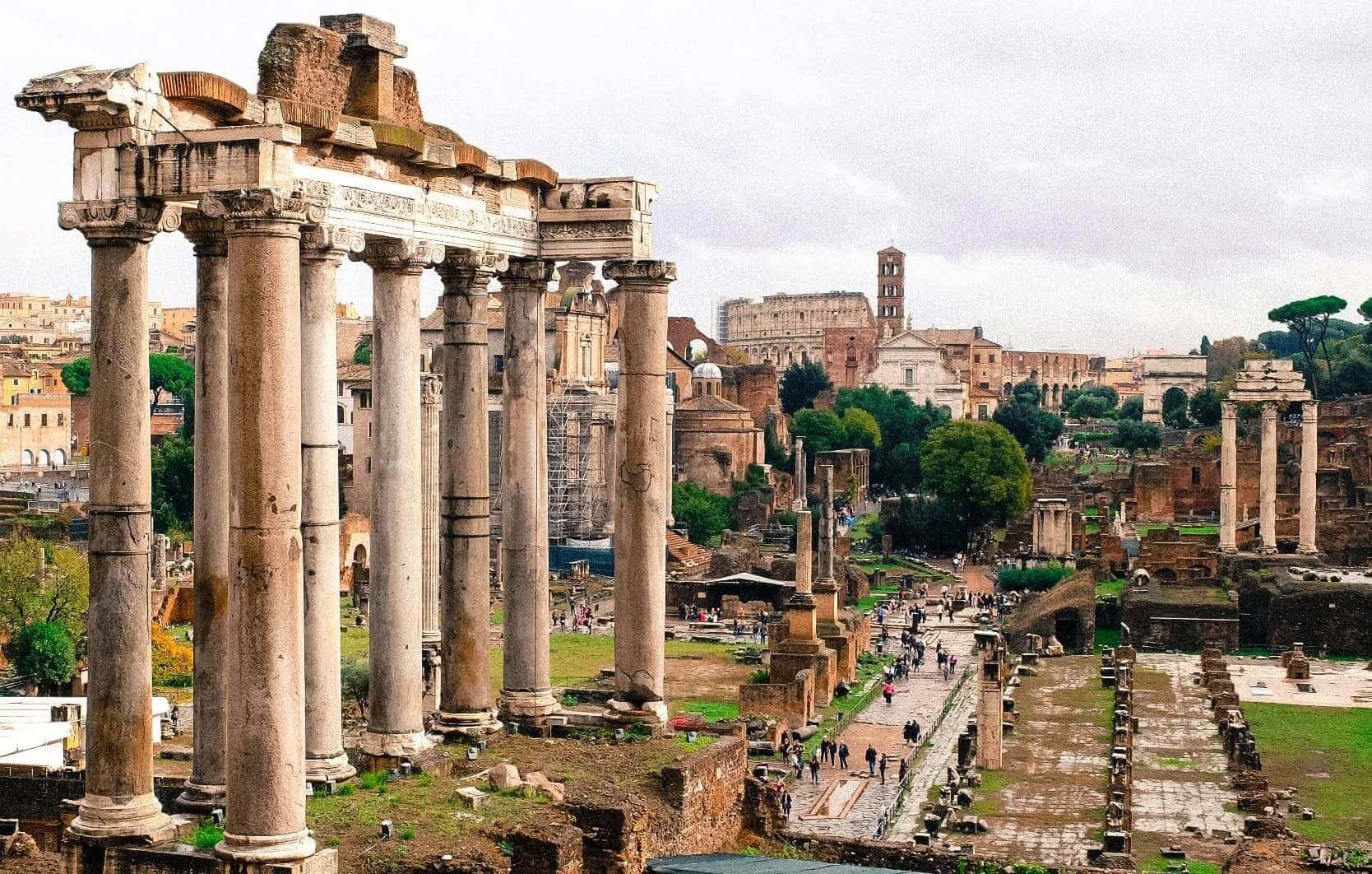
Once the beating civic heart of the ancient world, the Roman Forum was where citizens argued politics, struck business deals, worshipped at temples, and watched emperors deliver speeches. Today it survives as a sprawling field of columns, triumphal arches, and crumbled foundations that reward anyone willing to imagine the bustle that filled it. Rising just above sits Palatine Hill, the legendary spot where Romulus is said to have founded the city and where emperors later built sprawling palaces overlooking the action below. The two sites flow together into a single open-air museum, and the elevated paths of the Palatine offer some of the finest views over the Forum and across to the Colosseum. Comfortable shoes and a bit of shade are your best companions here.
Pantheon
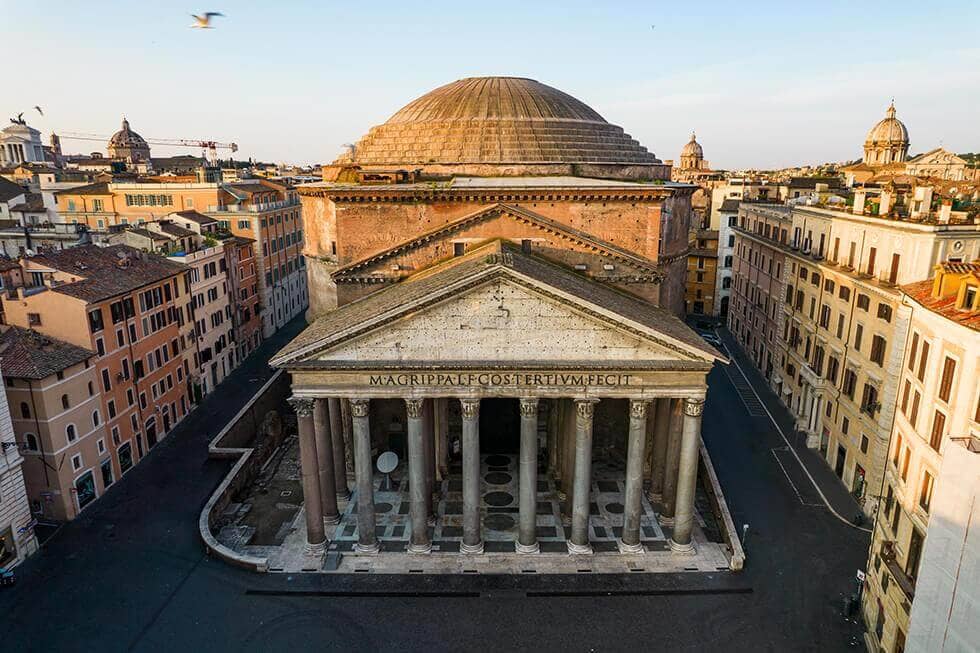
Few buildings capture the ambition of Roman architecture quite like the Pantheon. Originally a temple to all the gods and later converted into a church, it has remained in continuous use for almost two millennia, which helps explain its remarkable state of preservation. Its great dome, still the largest unreinforced concrete dome in the world, is pierced at the center by the oculus, a circular opening that floods the interior with shifting daylight and occasionally lets rain fall onto the marble floor below. Stepping inside, visitors often pause in genuine surprise at the harmony of the proportions, where the height to the oculus matches the diameter of the floor. The tombs of notable figures, including the painter Raphael, rest within its walls, adding another layer to its long history.
Vatican Museums & Sistine Chapel
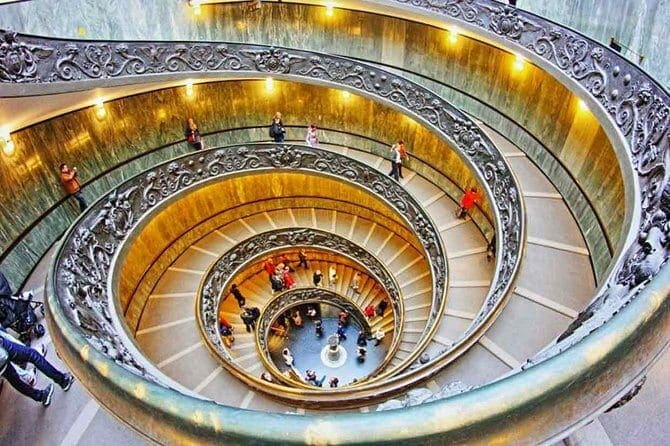
The Vatican Museums hold one of the richest art collections on earth, assembled by popes over many centuries and spread across galleries that seem to stretch endlessly. Visitors wind past Egyptian antiquities, classical sculpture, tapestries, and frescoed corridors before arriving at the celebrated climax: the Sistine Chapel. There, Michelangelo's ceiling unfolds overhead in panels depicting scenes from Genesis, with the iconic image of God reaching toward Adam at its center, while his later masterpiece, The Last Judgment, dominates the altar wall. The sheer density of masterpieces can be overwhelming, so many travelers focus on a few highlights rather than racing through every room. Booking timed entry in advance is strongly recommended, as the museums draw enormous crowds throughout much of the year.
St. Peter's Basilica
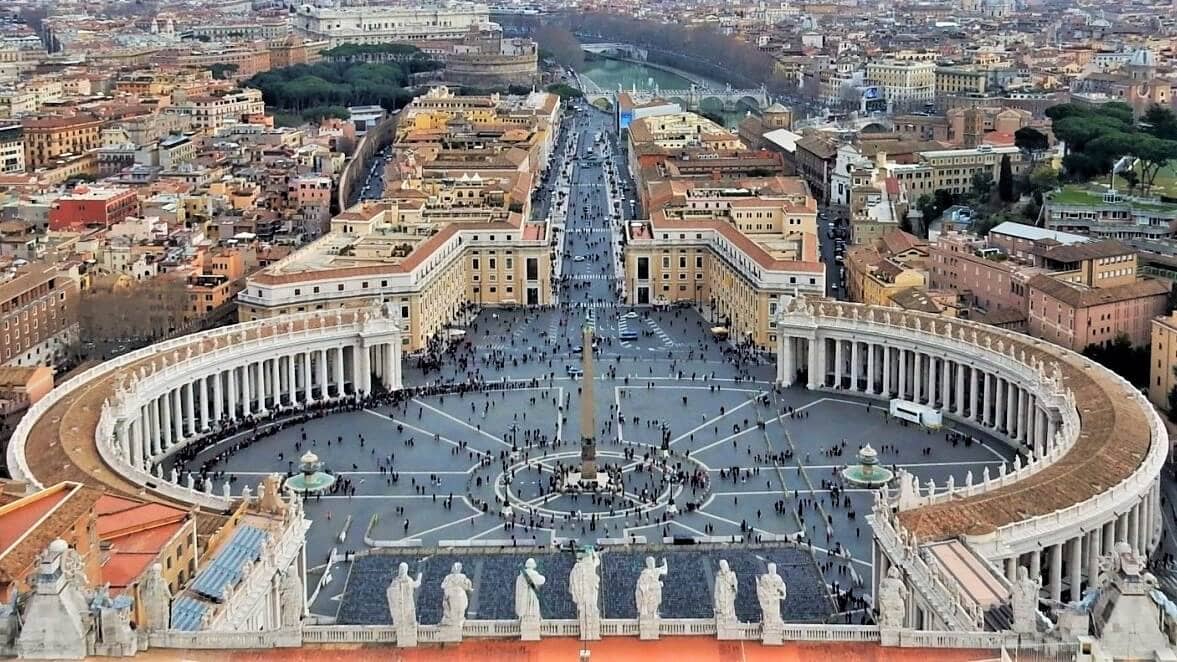
Towering over Vatican City, St. Peter's Basilica is among the largest and most magnificent churches ever constructed, built atop the traditional burial site of the apostle Peter. Generations of Renaissance and Baroque masters shaped its grandeur, with Michelangelo designing the soaring dome and Bernini creating the dramatic bronze canopy above the high altar as well as the sweeping colonnade that embraces the square outside. Inside, the scale is hard to fully grasp until you stand beneath the dome and watch light pour down from far above. Among its treasures is Michelangelo's Pietà, a tender marble sculpture protected behind glass. Those with the energy can climb to the top of the dome for a panoramic sweep across the rooftops of Rome.
Borghese Gallery
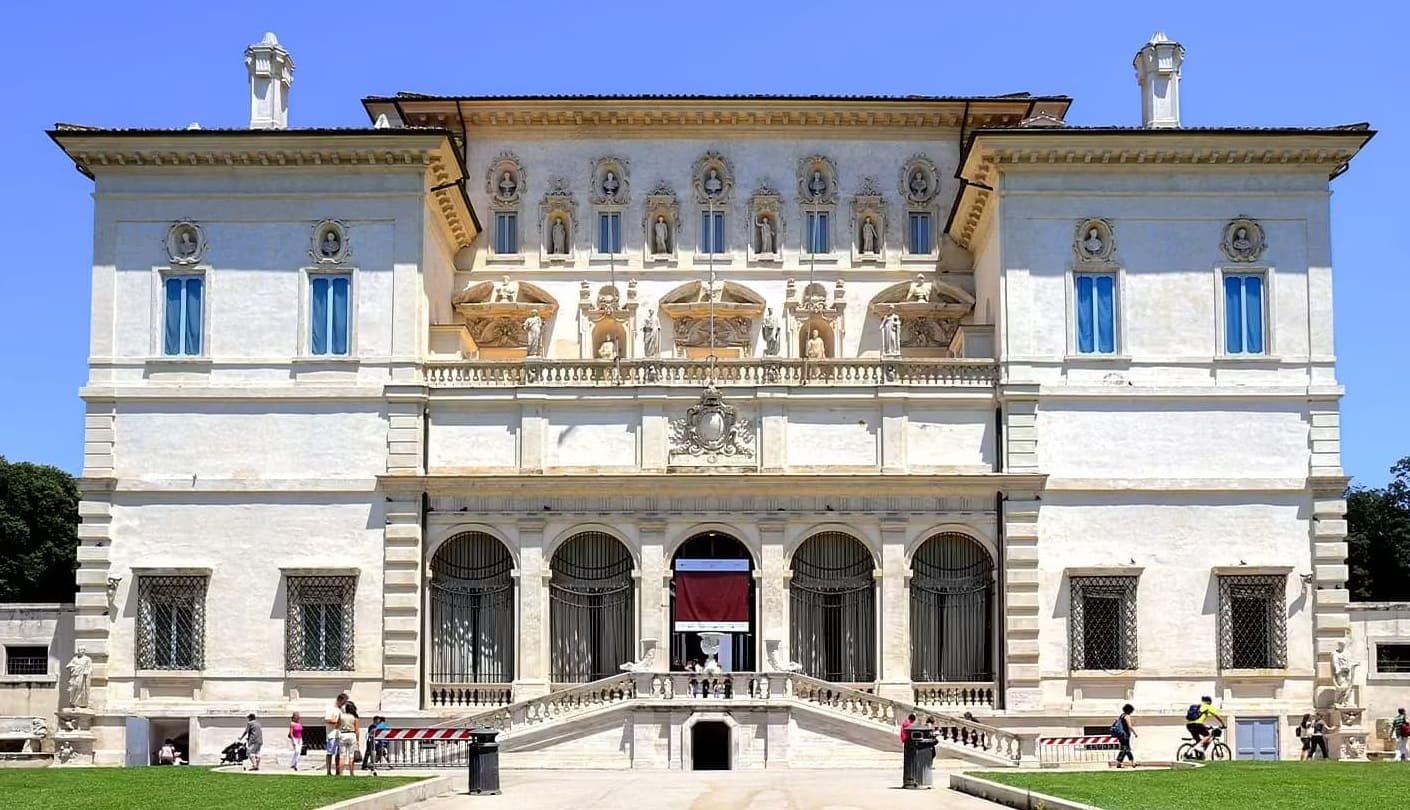
Set within the lush greenery of the Villa Borghese gardens, this gallery offers a more intimate art experience than the city's larger institutions. It grew from the private collection of Cardinal Scipione Borghese, a passionate and demanding patron who championed the young Bernini and acquired works by Caravaggio, Titian, and Raphael. The result is a compact but staggering display, where Bernini's marble figures appear so lifelike that fingers seem to press into yielding flesh and drapery looks ready to flutter. Because the gallery limits how many visitors enter at once and assigns timed slots, the rooms stay relatively calm, allowing you to study each piece up close. Reservations are essential and tend to fill quickly, so plan this stop well ahead of your trip.
Trevi Fountain
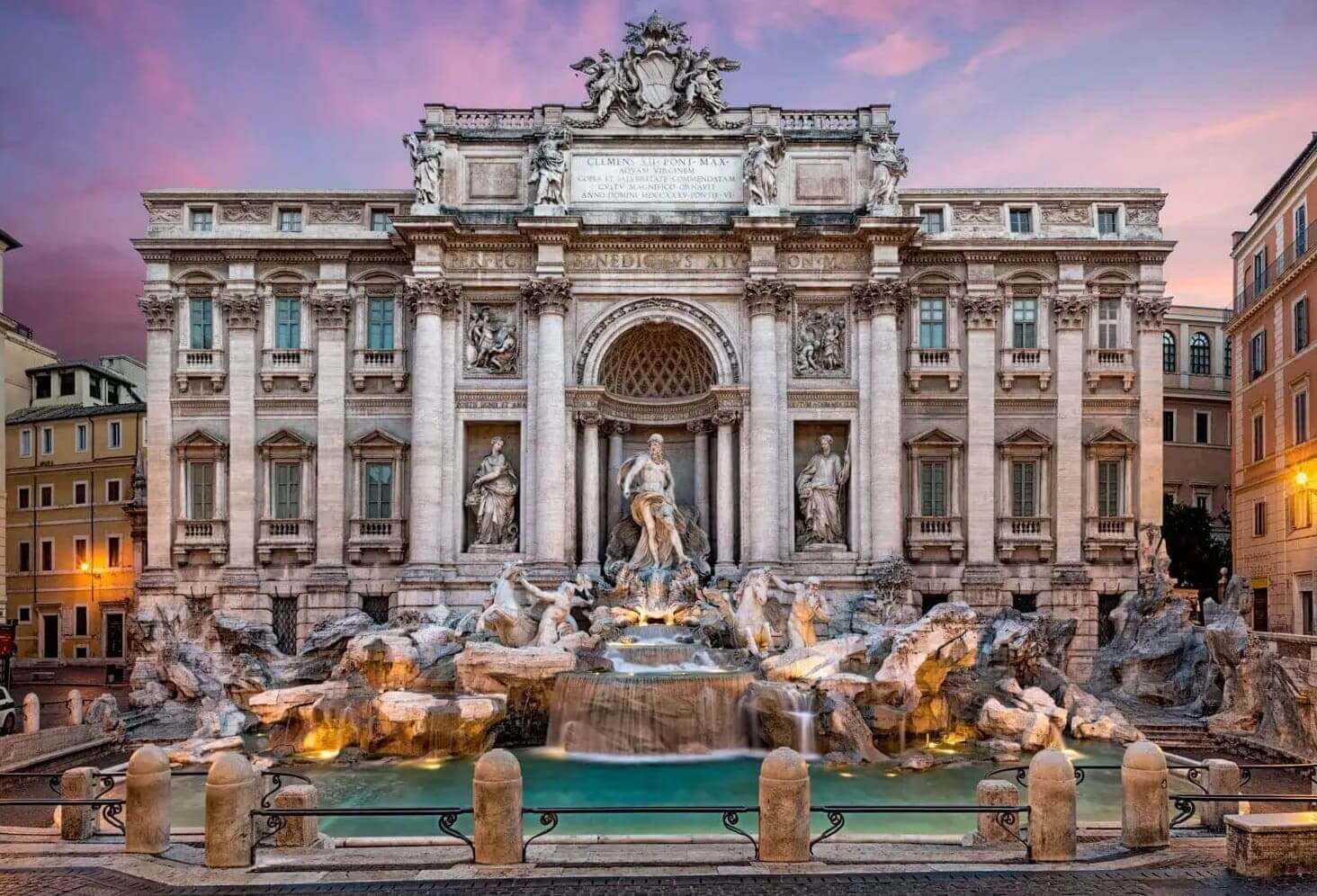
Cascading dramatically against the back of a Baroque palace, the Trevi Fountain is the grandest of Rome's many fountains and a perennial favorite for travelers. Carved from gleaming stone, it depicts the sea god Neptune riding a shell-shaped chariot pulled by horses and tritons, with water tumbling over rocks and pooling in a turquoise basin below. The famous tradition invites visitors to toss a coin over their shoulder into the water, said to guarantee a return trip to Rome, and the collected coins are gathered regularly and donated to charity. The fountain is especially atmospheric after dark, when it is illuminated and the surrounding crowds thin a little. Arrive early in the morning if you hope to capture it without a sea of fellow admirers.
Piazza Navona
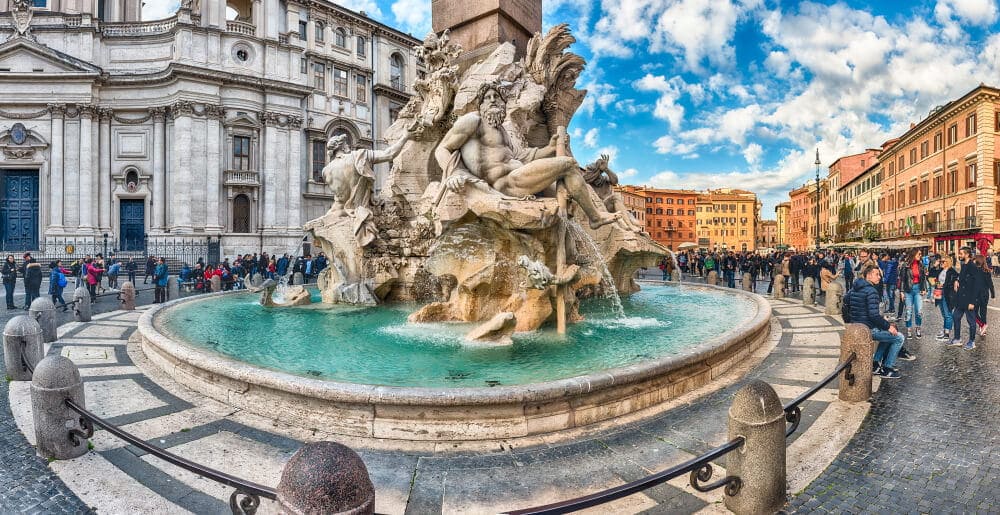
Built over the remains of an ancient stadium, Piazza Navona preserves the long oval shape of the arena where Romans once watched athletic contests. Today it ranks among the city's most beautiful public squares, lined with cafés, street artists, and palatial facades. Its centerpiece is Bernini's Fountain of the Four Rivers, an exuberant sculpture representing major rivers of four continents, anchored by an Egyptian-style obelisk that rises toward the sky. Two further fountains bookend the space, and the curving Baroque church of Sant'Agnese in Agone adds to the theatrical setting. The square comes alive in the evening, making it an ideal place to linger over a drink, watch the crowds, and soak up the unhurried rhythm of Roman life.
Spanish Steps
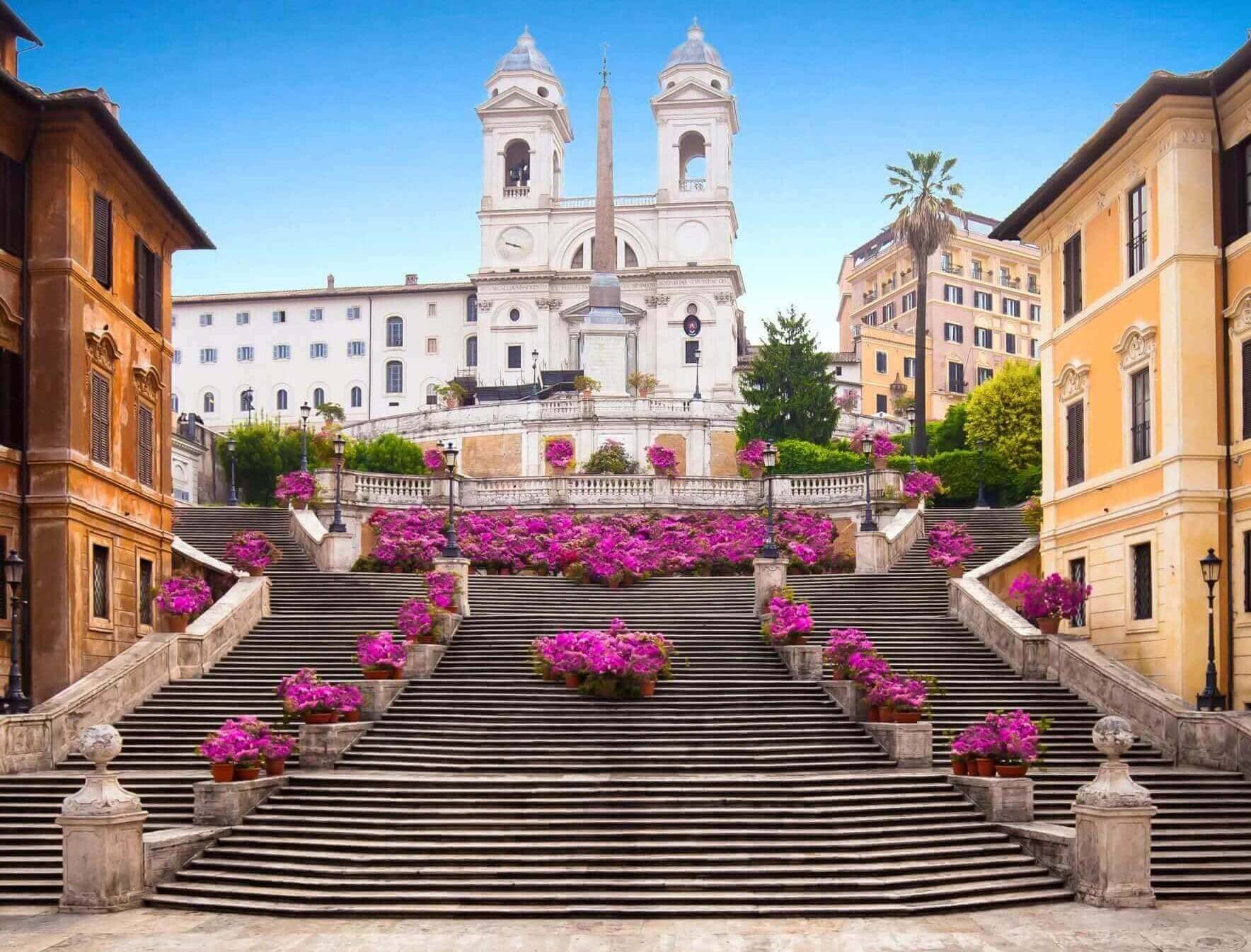
Sweeping gracefully up the slope between a busy shopping district and a hilltop church, the Spanish Steps are one of Rome's favorite meeting points and people-watching spots. The wide stone staircase climbs in a series of elegant curves and terraces toward the twin-towered church of Trinità dei Monti at the summit, where you are rewarded with a fine view back over the rooftops. At the base sits a charming boat-shaped fountain, while the surrounding streets brim with designer boutiques and historic cafés. In spring the steps are often decorated with banks of blooming azaleas, adding a splash of color to the pale stone. Sitting on the steps is no longer permitted, but the surrounding piazza remains a lively place to pause.
Trastevere
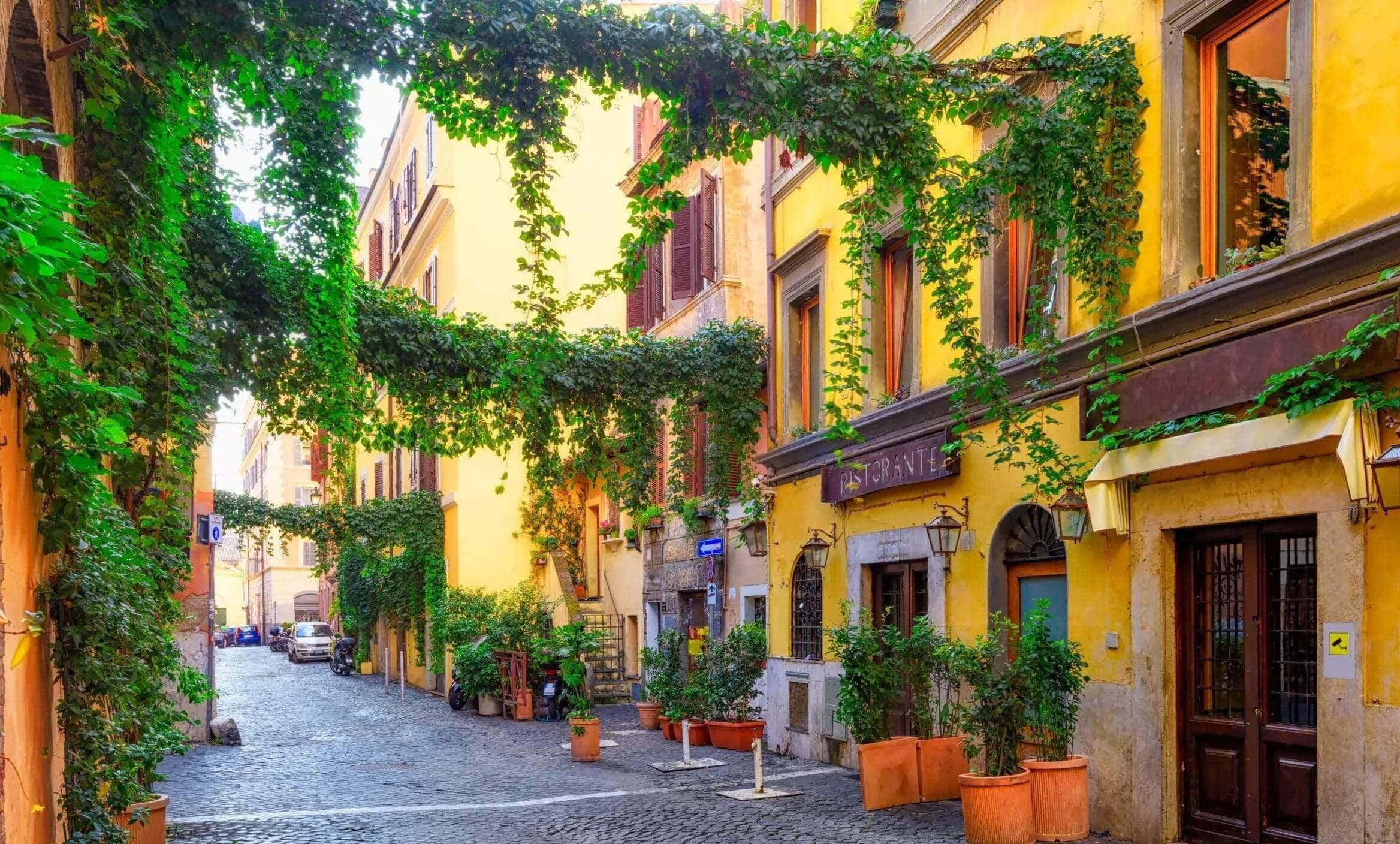
Tucked across the river from the historic center, Trastevere is the neighborhood many travelers fall in love with. Its narrow cobbled lanes, draped with ivy and laundry lines, twist past ochre-colored houses, neighborhood trattorias, and small artisan shops. By day it feels sleepy and authentic, a place to wander without a fixed plan, while by night it transforms into one of the city's liveliest dining and nightlife districts. At its heart stands the ancient Basilica di Santa Maria in Trastevere, glittering with golden mosaics and fronted by a piazza that fills with locals and visitors alike. For travelers seeking the flavor of everyday Rome alongside excellent food, this district is hard to beat.
Basilica di Santa Maria Maggiore
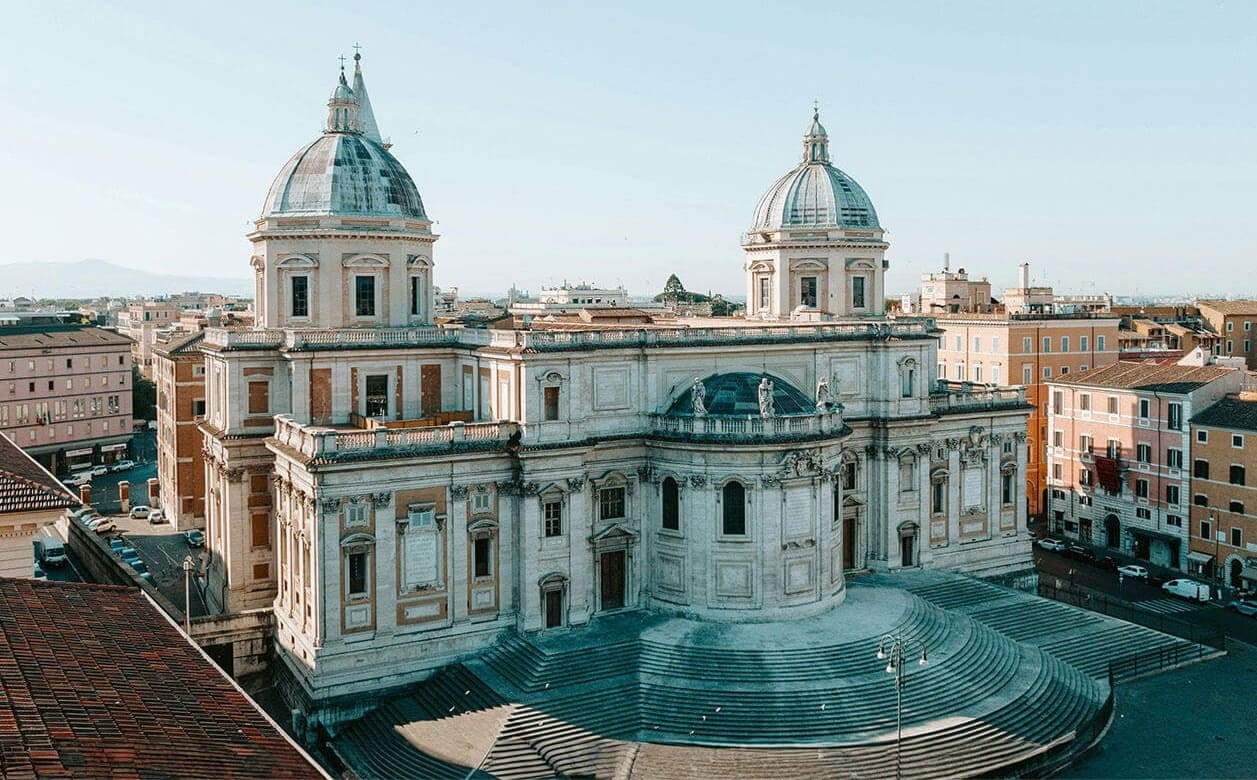
One of the four major papal basilicas of Rome, Santa Maria Maggiore stands as a stunning record of more than fifteen centuries of art and devotion. Its origins trace to the fifth century, and successive eras left their mark, blending early Christian mosaics, a richly coffered Renaissance ceiling reportedly gilded with some of the first gold brought from the Americas, and Baroque chapels of striking opulence. The shimmering mosaics along the nave count among the oldest of their kind in the city, depicting biblical scenes in vivid color. Despite its grandeur, the basilica tends to be less crowded than the headline attractions, offering a calmer space for quiet appreciation. Its slender bell tower is also the tallest in Rome.
Castel Sant'Angelo
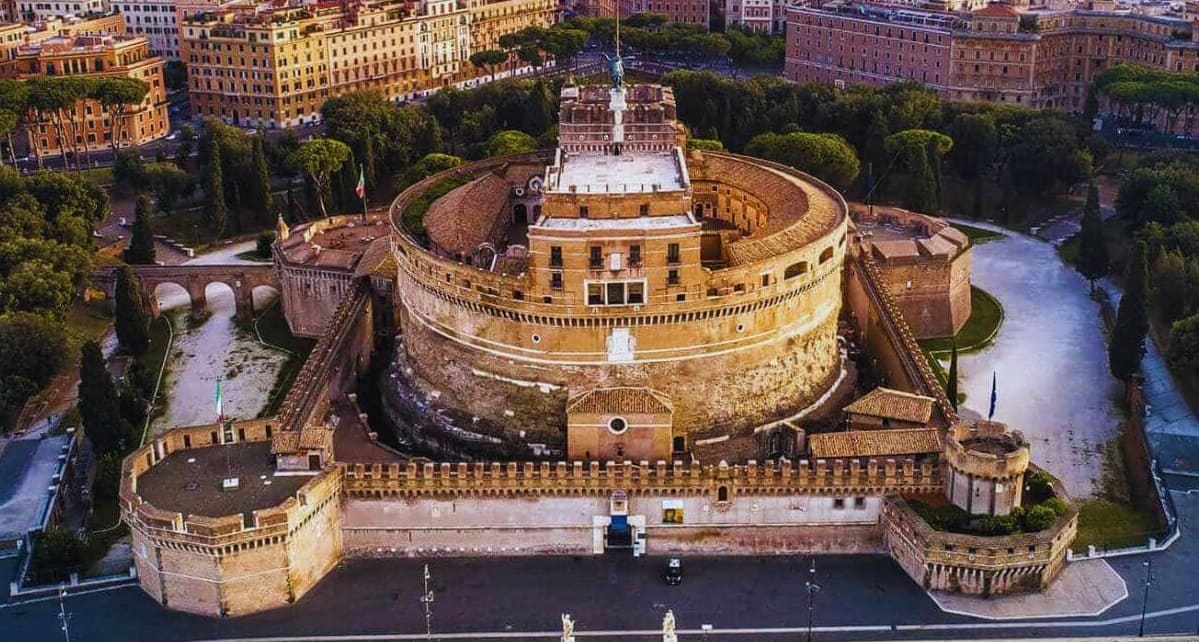
Standing guard beside the Tiber, Castel Sant'Angelo has worn many identities across its long life. It began as a towering mausoleum for the emperor Hadrian, then served in turn as a fortress, a papal refuge, a prison, and finally a museum. A fortified passageway once allowed popes to flee the Vatican to its safety in times of danger, and the building's circular bulk still dominates this stretch of riverbank. Inside, a spiraling ramp and grand chambers lead visitors upward through layers of history, while the rooftop terrace, crowned by a statue of the archangel Michael, delivers one of the most rewarding views in Rome, taking in St. Peter's dome and the river below. The elegant statue-lined bridge in front makes for a memorable approach.
Copyright 2024 Mathews International LLC All Rights Reserved